Sa mga modernong silid-aralan, mga tanggapan ng korporasyon, at mga puwang na nakikipagtulungan, ang mga interactivewhiteboard ay naging kailangang-kailangang mga tool para sa pagtuturo, presentasyon, at trabaho. Ang mga marka tulad ng Qtenboard ay namuno sa merkado na may mga solusyon na isinasama ang pagiging sensitibo sa touch, mga LCD panel ng mataas na resolusyon, at advanced na mga backlight module upang maghatid ng mga nakalulubog at mabisang karanasan ng gumagamit. Ang isang karaniwang tanong sa mga tagapagturo, mga tagapangasiwa ng IT, at mga mamimili ng negosyo ay: ang isang interactive whiteboard ba ay nangangailangan ng isang backlight module?
Pag-unawa sa papel na ginagampanan ng mga backlight module sa mga interactivewhiteboard, at partikular sa mga produktong Qtenboard, ay mahalaga sa pagpili ng tamang board para sa iyong puwang. Ang isang de-kalidad na backlight module ay tinitiyak ang pare-parehong ningning, tumpak na pagpaparami ng kulay, pinahusay na kaibahan, at kahusayan ng enerhiya - lahat na mahalaga para sa parehong mga kapaligiran sa pag-aaral at propesyonal.
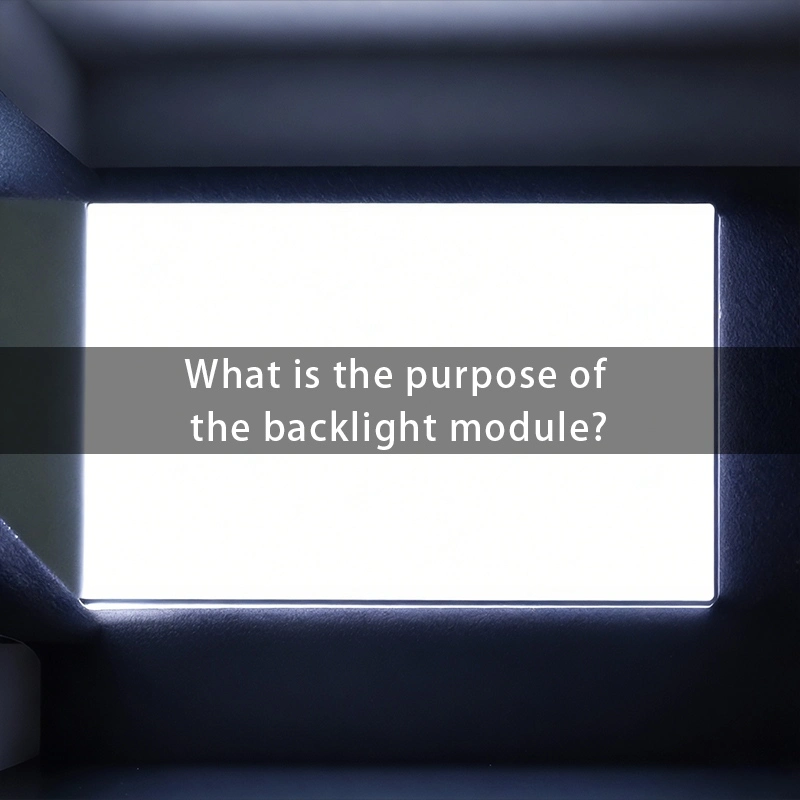
Ang isang backlight module ay isang pangunahing sangkap sa mga interactivewhiteboard na nakabatay sa LCD. Ito ay binubuo ng mga mapagkukunan ng ilaw, mga plato ng gabay, mga optikal na pelikula, at sumusuporta sa mga istrakturang mekanikal. Ang pangunahing pagpapaandar ng isang backlight module ay upang ilaw ang LCD panel nang pantay, pinapagana ang display upang ipakita ang tumpak na mga kulay at magagandang detalye.
Sa mga interactivewhiteboard ng Qtenboard, ang backlight module ay partikular na idinisenyo upang ma-optimize ang mga kapaligiran sa silid-aralan at kumperensya. Nang wala ang module na ito, ang LCD layer ay hindi maaaring maglabas ng ilaw sa sarili nitong sarili, na humahantong sa malabo, hindi pantay, o baluktot na mga visual na nakikipagkompromiso sa interactivity at kalinawan ng nilalaman.
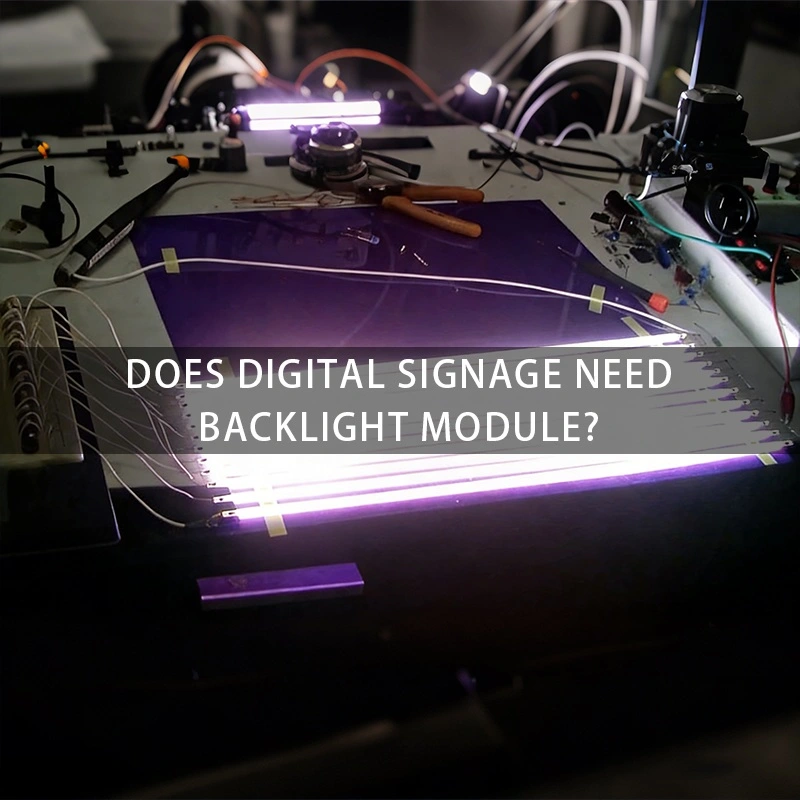
Para sa mga interactivewhiteboard, mahalaga ang pare-parehong ningning sa buong panel. Nakamit ito ng Qtenboard sa pamamagitan ng paggamit ng mga de-kalidad na LED arrays at na-optimize na mga pelikulang optikal sa mga backlight module nito. Tinitiyak ng pare-parehong ilaw na ang bawat ugnayan at kilos ay malinaw na nakikita, pagpapahusay ng pakikipag-ugnayan at kawastuhan ng gumagamit sa panahon ng mga aralin o pagtatanghal.
Ang katapatan sa kulay ay mahalaga sa propesyonal at edukasyonal na mga setting. Ang mga interactivewhiteboard ng Qtenboard ay gumagamit ng mga backlight module na sumasaklaw sa higit sa 85% ng Rec. pamantayan ng kulay 2020, pinapayagan ang tumpak na pagpaparami ng mga logo, tsart, at nilalaman ng multimedia. Ang tumpak na kulay ay tinitiyak na ang nilalaman ay parehong nakakaakit at maaari, nagpapabuti ng pag-unawa at pagpapanatili para sa mga mag-aaral at empleyado.
Ang mga advanced na module ng backlight na may lokal na dimming at teknolohiya ng Mini LED ay makabuluhang nagpapahusay ng kaibahan sa mga interactivewhiteboard ng Qtenboard. Ang ratio ng pabago-bagong kaibahan ay maaaring lumampas sa 1,000,000: 1, na nagbibigay ng mayamang mga itim at maliwanag na puti. Ang tampok na ito ay partikular na kapaki-pakinabang kapag nagpapakita ng detalyadong mga pang-agham na diagram, video, o mga imahe ng mataas na resolusyon.
Ang kahusayan sa enerhiya ay isa pang kritikal na aspeto ng mga backlight module. Ang mga interactivewhiteboard ng Qtenboard ay nagsasama ng matalinong mga array ng LED at sumasalamin na mga pelikulang optikal upang mabawasan ang pagkonsumo ng kuryente nang hindi nagsasakripisyo ng maliwanag sa. Tinitiyak ng disenyo na ito na ang mga paaralan, negosyo, at ang mga sentro ng pagsasanay ay maaaring mapanatili ang pinalawig na paggamit ng mga interactivewhiteboard habang binabawasan ang mga gastos sa enerhiya.
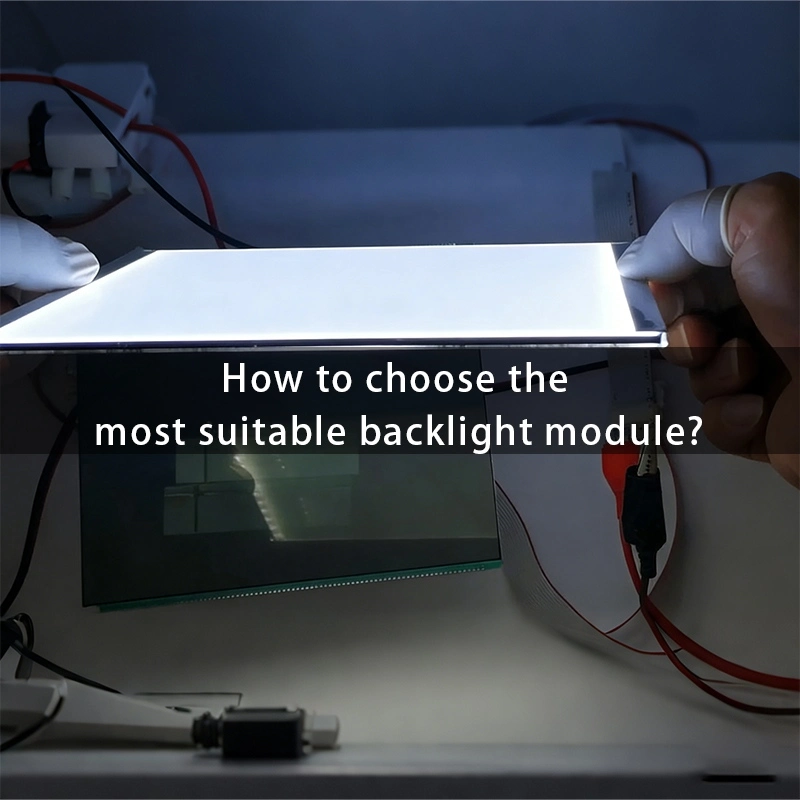
Ang mga backlight na naka-lit na posisyon ng mga LED sa mga gilid ng interactivewhiteboard, paggabay ng ilaw sa buong screen na may isang light guide plate. Ginagamit ng Qtenboard ang disenyo na ito sa mas maliit na mga board (≤55 pulgada), nakakamit ang isang payat na profile at kahit na ningning na angkop para sa kumpa mga silid - aralan o mga silid ng pagpupulong.
Direct-lit backlights inilalagay ang mga LED nang direkta sa likod ng panel. Ginagamit ng mga interactivewhiteboard ng Qtenboard ang pagsasaayos na ito sa mas malalaking mga modelo (≥65 pulgada), na tinitiyak ang mataas na ningning, mahusay na kaibahan, at pare-pareho na pag-iilaw sa ibabaw. Ang pag-setup na ito ay perpekto para sa mga nagtutulungan na silid-aralan o malalaking silid ng pagpupulong.
Pinapayagan ng teknolohiya ng Mini LED ang tumpak na kontrol sa libu-libong mga maliliit na LED, pinahusay ang mga antas ng itim at kaibahan. Ang mga high-end Qtenboard interactivewhiteboard ay nagbago ng mga module ng backlight ng Mini LED para sa nilalaman ng HDR, mga propesyonal na aplikasyon ng disenyo, at nakalulubog na mga karanasan sa pagtuturo.
Kapag pinipili ang isang interactivewhiteboard, maraming mga kadahilanan ang tumutukoy sa pinakamainam na solusyon sa backlight:
Nagbibigay ang mga interactivewhiteboard ng Qtenboard na mai-configure na mga module ng backlight na nakakatugon sa mga pamantayan na ito, na tinitiyak ang mataas na pagganap sa iba't ibang mga kapaligiran.
Maraming mga application ay nangangailangan ng mga pasadyang backlight module para sa mga interactivewhiteboard. Nag-aalok ang Qtenboard ng mga solusyon tulad ng:
Tinitiyak ng mga pagpipiliang ito na ang mga interactivewhiteboard ay naghahatid ng tumpak na ningning, kawastuhan ng kulay, at pinahusay na interactivity ng gumagamit.
Ang mga umuusbong na teknolohiya ay patuloy na nagpapahusay sa pagganap ng interactivewhiteboard:
Aktibong isinasama ng Qtenboard ang mga pagbabago na ito, na tinitiyak ang mga interactivewhiteboard na mananatili sa unahan ng kalidad ng visual, kahusayan, at interactivity.
Bilang pagtatapos, ang isang backlight module ay mahalaga para sa anumang interactivewhiteboard na nakabatay sa LCD. Ipinapakita ng mga brand tulad ng Qtenboard kung paano nag-aambag ang mga de-kalidad na backlight module sa matatag na pag-iilaw, tumpak na pagpaparami ng kulay, mataas na kaibahan, at kahusayan sa enerhiya.
Sa pamamagitan ng maingat na pagpili o pagpapasadya ng mga backlight module, Ang mga interactivewhiteboard ay maaaring maghatid ng mga nakalulubog at interactive na karanasan para sa mga silid-aralan, mga kapaligiran sa korporasyon, at mga puwang na nakikipagtulungan. Tulad ng pagsulong ng teknolohiya ng pagpapakita, ang pagsasama ng Mini LED, Micro LED, at ang mga matalinong backlighting system ay titiyakin na ang mga interactivewhiteboard ay patuloy na magbigay ng higit na mataas na pagganap ng visual at pinahusay na pakikipag-ugnay sa mga darating na taon.
Click upang basahin ang mga detalye ng produkto at malaman ang tungkol sa mga tampok na pagganap at aktwal na pagganap.
📖Basahin ang Producto
 FIL
FIL
 EN
EN  MAY
MAY  TH
TH  CHT
CHT  ID
ID  BUR
BUR  HKM
HKM  LAO
LAO  SIN
SIN  VIE
VIE