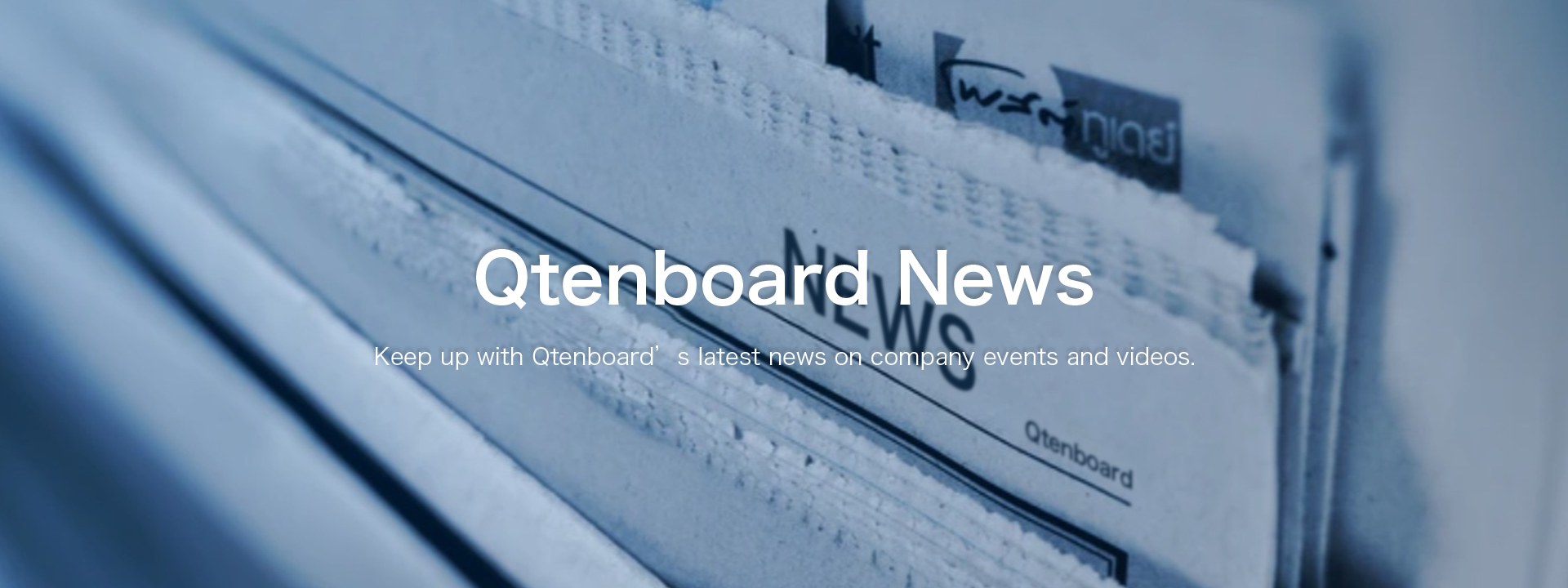
Ang mga interactive whiteboard ay nagbago ng mga modernong silid-aralan, mga silid ng pagpupulong sa korporasyon, mga ospital, at mga puwang ng tingi. Hindi tulad ng tradisyunal na mga whiteboard, ang mga aparatong ito ay nagbibigay-daan sa pabagu-bagong pakikipag-ugnay, pakikipagtulungan sa real-time, mga pagtatanghal ng multimedia, at ang pagpapakita ng kumplikadong data. Mahalaga ang mga ito para sa mga tagapagturo, tagapagsanay, at mga propesyonal sa negosyo na naghahangad na mapabuti ang pakikipag-ugnayan at komunikasyon.
Gayunpaman, ang isa sa mga pinakakaraniwang hamon na kinakaharap ng mga gumagamit ay ang kakayahang makita sa screen sa ilalim ng iba't ibang mga kundisyon ng ilaw. Kung ito ay sikat ng araw na streaming sa pamamagitan ng mga bintana ng silid-aralan, maliwanag na pag-iilaw ng opisina sa overhead, o mga pagsasalamin mula sa kalapit na mga ibabaw ng baso, Ang mga nakikita at pagmuni-muni ay maaaring makabuluhang nakakaapekto sa kakayahang mabasa ang nilalaman.
Gunigunihin ang isang guro na nagsasagawa ng isang aralin sa isang maliwanag na interactive whiteboard sa isang silid-aralan ng sunlit, o isang tagapagsanay ng korporasyon na nagpapakita ng mga detalyadong tsart sa isang pagpupulong sa araw. Nang walang wastong makintab na pamamahala, ang mga mag-aaral o dumalo ay maaaring pilitin ang kanilang mga mata o hindi makaligtaan ang kritikal na impormasyon. Katulad nito, sa mga setting ng pangangalaga ng kalusugan o mga sentro ng pagsasanay, ang hindi magandang kakayahang makita ay maaaring hadlangan ang tumpak na pagbabasa ng data, na nakakaapekto sa mga desisyon o kahusayan ng daloy ng trabaho.
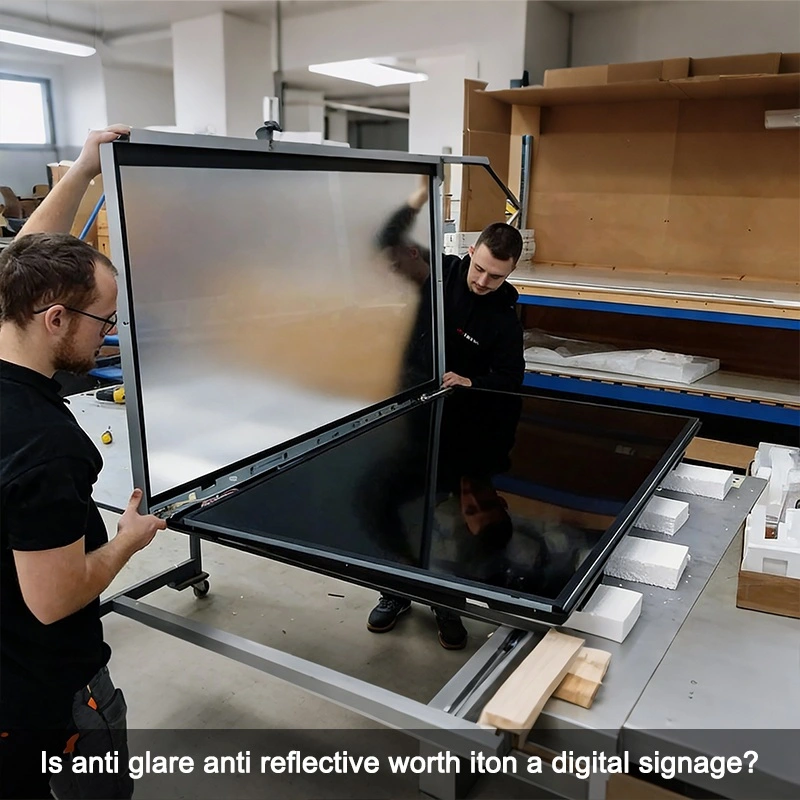
Dito pumasok ang mga teknolohiyang kontra-glare at anti-reflective. Sa pamamagitan ng pagbawas ng mga pagsasalamin at pagkalat ng nakapipinsalang ilaw, ang mga teknolohiya na ito ay tinitiyak na ang nilalaman sa iyong interactive na whiteboard ay mananatiling malinaw at magagawa. Nag-aalok ang mga interactive whiteboard ng Qtenboard ng mga opsyonal na anti-glare at anti-reflective na ibabaw, nagbibigay ng higit na kakayahang makita kahit na sa mga mapaghamong kondisyon ng ilaw.
Ang mga teknolohiyang kontra-glare at anti-reflective ay dalawang magkakaibang diskarte na idinisenyo upang mapabuti ang kakayahang makita ang screen, madalas na binanggit nang magkasama dahil sila’y sumama sa bawat isa.
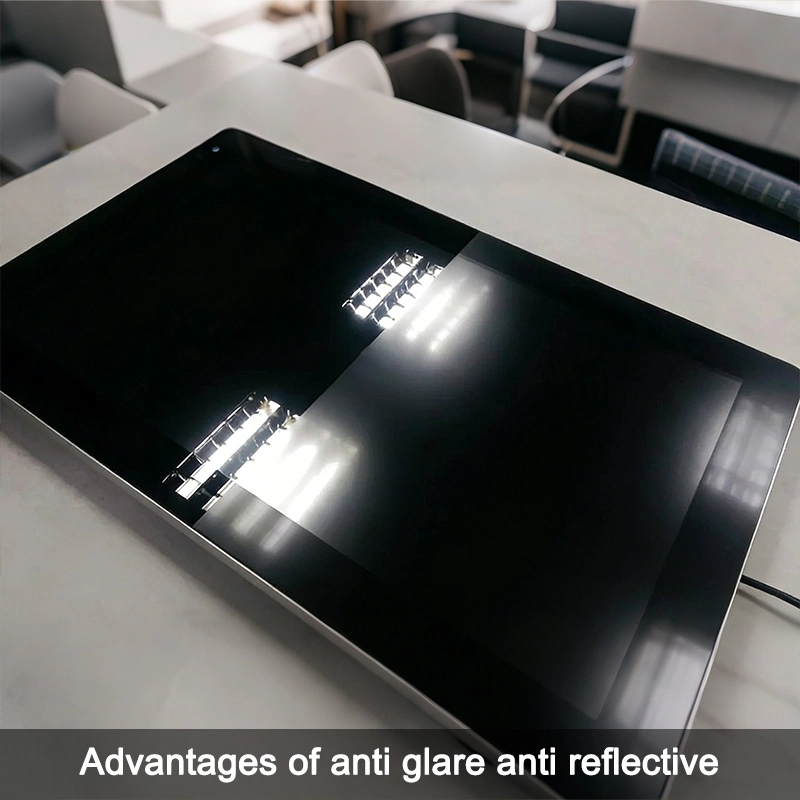
Ang teknolohiyang kontra-glare ay nagsasangkot ng paglalapat ng isang micro-textured finish sa ibabaw ng screen. Ang isang makinis na display na ibabaw ay sumasalamin nang direkta ng ilaw, na maaaring maging sanhi ng maliwanag na mga spot, nagkakalat na ilaw, o kahit na mga salamin na tulad ng salamin. Ginagawa nitong mahirap ang nilalaman ng pagbabasa sa screen.
Sa pamamagitan ng paglikha ng isang bahagyang magaspang na ibabaw, ang micro-texture ay nagkalat ng papasok na ilaw nang pantay, pagbabawas ng nakikita at pagpapabuti ng kakayahang mabasa. Tinitiyak ng pamamaraang ito na kahit na sa mga kapaligiran na may malakas na direksyon na ilaw, nananatiling nakikita ang nilalaman.
Ang teknolohiyang anti-reflective (AR) ay gumagana nang iba. Gumagamit ito ng mga prinsipyong panghihimasok sa optikal upang makansela ang sumasalamin na ilaw. Ang isang manipis na layer ng metal oxide ay inilalapat sa ibabaw ng screen, na sanhi ng papasok at sumasalamin sa mga ilaw na alon upang makagambala nang mapanirang. Binabawasan nito ang tindi ng mga pagsasalamin at sabay na pinahusay ang paghahatid ng ilaw mula sa pagpapakita mismo.
Ang resulta ay isang screen na hindi lamang lumalaban sa paningin ngunit lumilitaw ding mas maliwanag at mas malinaw nang hindi nagdaragdag ng mga setting ng ningning. Para sa mga interactive whiteboard, ang teknolohiyang ito ay mahalaga sa mga silid-aralan, silid ng kumperensya, at mga pampublikong lugar ng pagpapakita, kung saan ang mga kondisyon ng ilaw ay maaaring maging lubos na variable.
Sa pamamagitan ng pagsasama-sama ng mga teknolohiyang kontra-glare at anti-reflective, Ang mga interactive whiteboard ng Qtenboard ay nagbibigay ng isang solusyon na tumutukoy sa parehong nagkakalat ng ilaw at direktang pagsasalamin, tinitiyak ang pinakamainam na kakayahang makita para sa lahat ng mga gumagamit.
Habang ang anti-glare at anti-reflective ay madalas na nabanggit nang magkasama, hindi sila magkapareho:
Ang dalawa ay maaaring magamit nang magkahiwalay o magkasama depende sa kapaligiran ng application. Halimbawa, kung ang isang interactive whiteboard ay naka-install sa isang katamtamang naiilawan na silid-aralan, ang paggamot na kontra-glare lamang ay maaaring sapat. Ngunit para sa mga puwang na may parehong sikat ng araw at panloob na ilaw, Ang pagsasama ng mga teknolohiyang kontra-glare at anti-reflective ay tinitiyak ang maximum na kalinawan at ginhawa ng gumagamit.
Pinapayagan ng Qtenboard na interactive whiteboard ang mga customer na pumili ng pagsasaayos na pinakamahusay na umaangkop sa kanilang senaryo sa paggamit. Kung kailangan mo lamang kontra-glare, anti-reflective lamang, o pareho, ang Qtenboard ay nagbibigay ng mga nababaluktot na solusyon.
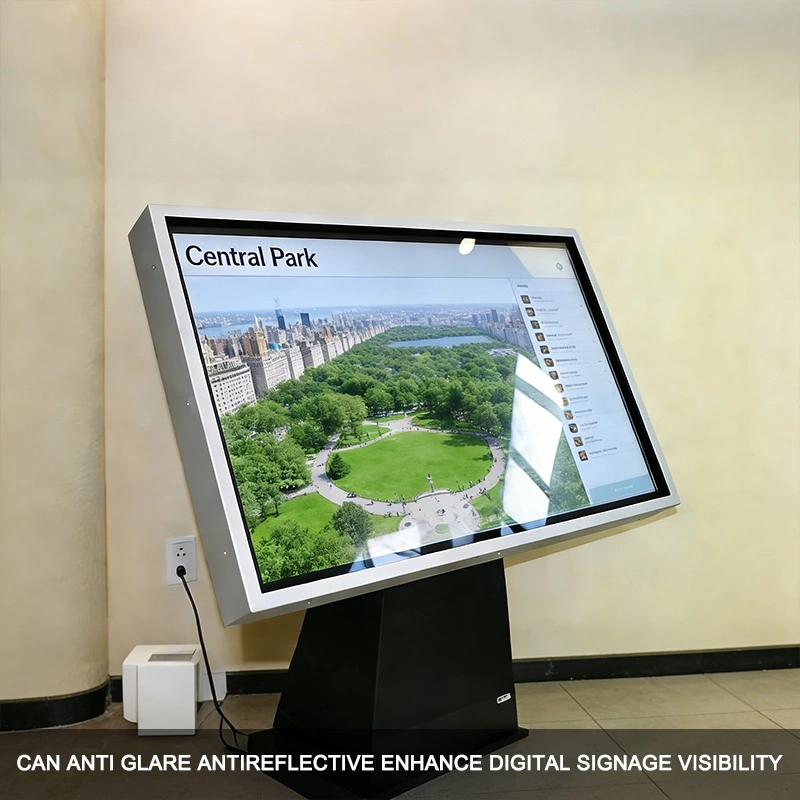
Ang mga anti-glare at anti-reflective na ibabaw ay ginagawang mas mababasa ang nilalaman sa ilalim ng maliwanag na ilaw, sikat ng araw, o mga kumplikadong kondisyon ng ilaw. Direktang nagpapabuti ito ng pakikipag-ugnayan at kahusayan sa pag-aaral. Malinaw na makakakita ang mga mag-aaral ng mga aralin, ang mga empleyado ay maaaring magbasa ng mga pagtatanghal nang walang pag-squinting, at ang mga propesyonal sa pangangalagang pangkalusugan ay maaaring suriin nang tumpak ang data.
Ang mga interactive whiteboard ay madalas na naka-install sa mga puwang na may iba't ibang mga kapaligiran sa ilaw. Ang mga anti-glare at anti-reflective na paggamot ay nagbabawas ng epekto ng mga kundisyong ito, na pinapayagan ang display na magsagawa ng pinakamainam. Kahit na ang mga interactive whiteboard na hindi partikular na idinisenyo para sa panlabas na paggamit ay maaaring manatiling epektibo sa maliwanag na mga kapaligiran kapag ginagamot sa mga teknolohiyang ito.
Ang mga dalubhasang paggamot sa ibabaw na ginamit para sa mga anti-glare at anti-reflective na mga screen ay nagpapahusay din ng tibay. Ang mga screen ay lumalaban sa mga gasgas, smudge, at mga fingerprint, na lalo na kapaki-pakinabang sa mga silid-aralan, pampublikong puwang, at mga silid ng pagpupulong ng mataas na trapiko.
Pinapayagan ng mas mahusay na kakayahang makita para sa mas mababang mga setting ng ningning ng screen. Binabawasan nito ang pagkonsumo ng enerhiya at pagbuo ng init, habang pinapapahaba ang buhay ng interactive na whiteboard. Ang mga interactive na whiteboard ng Qtenboard na may mga pagpipilian na kontra-glare at anti-reflective ay nagbibigay-daan sa pangmatagalang kahusayan ng enerhiya nang hindi nakompromisya kakayahang mabasa.
Para sa mga gumagamit na nakikipag-ugnay sa mga screen para sa pinahabang panahon, Ang mga anti-glare at anti-reflective na ibabaw ay binabawasan ang visual facloue sa pamamagitan ng pagliit ng nakakagambalang ilaw. Kasama sa wastong distansya ng panonood at pahinga, ang teknolohiyang ito ay nagtataguyod ng mas malusog na paggamit ng screen.
Ang pamumuhunan sa isang interactive whiteboard na may anti-glare at anti-reflective na teknolohiya ay lubos na inirerekumenda para sa:
Habang ang pagtaas ng ningning ay maaaring makatulong sa pagiging makita, dumarating ito sa gastos ng mas mataas na pagkonsumo ng enerhiya, init, at binawasan ang mahabang buhay ng screen. Ang mga anti-glare at anti-reflective na ibabaw ay nag-aalok ng isang pangmatagalang solusyon na nagpapabuti ng kakayahang mabasa nang walang mga drawback na ito.
Gayunpaman, para sa mga gawain na nangangailangan ng mataas na katumpakan ng kulay na tulad ng disenyo, animasyon, o ang mga makinis na screen na pamantayan ng potograpiya ay maaaring mas mahusay na mapanatili ang kawastuhan ng kulay. Nagbibigay ang Qtenboard ng parehong mga pagpipilian, tinitiyak na maaari kang pumili ng isang display na nagbabalanse ng kalinawan at katapatan ng kulay batay sa iyong mga pangangailangan sa proyekto.
Oo. Sa pamamagitan ng pagbawas ng paningin at pagmuni-muni, ang mga screen na ito ay nakakatulong na mabawasan ang visual strain at pagkapagod. Ito ay mahalaga sa mga setting ng pang-edukasyon at propesyonal kung saan ang mga gumagamit ay maaaring makipag-ugnay sa board sa mahabang panahon.
Mga pangunahing punto para sa paggamit sa mata:
Sinusuportahan ng mga interactive whiteboard ang mga prinsipyong ito sa pamamagitan ng mga opsyonal na ibabaw ng kontra-glare, ginagawang mas madali para sa mga gumagamit na mapanatili ang malusog na mga ugali sa pagtingin.
Ang mga interactive na whiteboard ng Qtenboard ay nagbibigay ng mga mapasadyang pagpipilian upang umangkop sa iyong mga pangangailangan:
Sa pamamagitan ng pagpili ng isang Qtenboard interactive whiteboard, hindi lamang nakakakuha ng isang mataas na kalidad na interactive display kundi pati na rin isang aparato na na-optimize para sa mga hamon sa pagiging makita ng totoong mundo.
Sa mga silid-aralan, ang mga mag-aaral ay madalas na nakaupo sa iba't ibang mga anggulo na may kaugnayan sa board. Ang mga anti-glare at anti-reflective na ibabaw ay tinitiyak na ang bawat mag-aaral ay malinaw na makakakita ng mga aralin, kung ang silid ay naiilawan ng sikat ng araw o artipisyal na ilaw. Ang mga guro ay maaaring maghatid ng nilalaman ng multimedia, pagtatanghal, o mga pagsasanay sa pakikipagtulungan nang hindi nag-aalala tungkol sa mga isyu sa kakayahang makita.
Sa mga tanggapan at mga silid ng pagsasanay, magkakaiba ang mga kondisyon sa ilaw. Pinapayagan ng mga anti-glare interactive whiteboard ang mga kalahok na basahin ang mga tsart, grap, at dokumento nang malinaw, pagpapabuti ng kahusayan sa pagpupulong. Ang mga lupon ng Qtenboard ay nagbibigay ng pare-parehong kalinawan sa maraming mga kapaligiran, na tinitiyak ang kalidad ng pagtatanghal ng propesyonal na antas.
Ang mga ospital, aklatan, at mga pampublikong sentro ay madalas na nangangailangan ng mga interactive display para sa mga tagubilin, visualization ng data, o anunsyo. Ang mga anti-glare at anti-reflective na ibabaw ay nagpapabuti ng kakayahang mai-access ang impormasyon, kahit na sa mga puwang na may maliwanag na ilaw o sumasalamin na mga ibabaw.
Para sa mga interactive whiteboard na naka-install sa mga puwang na may natural na ilaw, tulad ng mga atrium, lobbies, o mga pang-edukasyon na lab na may malalaking bintana, mga ibabaw ng kontra-glare ay pumipigil sa nilalaman na hugasan ng sikat ng araw. Nagbibigay ang Qtenboard ng mga solusyon na nagpapanatili ng pagiging nababasa nang walang karagdagang liwanag ng screen, pinoprotektahan ang parehong aparato at pagkonsumo ng enerhiya.
Ang mga interactive whiteboard ay mahahalagang tool sa maraming industriya, ngunit ang mga hamon sa kakayahang makita na dulot ng makintab at pagmuni-muni ay maaaring limitahan ang kanilang pagiging epektibo. Ang simpleng pagtaas ng ningning ay hindi sapat upang malutas ang mga isyung ito.
Ang mga teknolohiyang kontra-glare at anti-reflective ay nagbibigay ng isang praktikal, mahusay, at pangmatagalang solusyon. Pinapabuti nila ang kakayahang mabasa, binabawasan ang pilay ng mata, dagdagan ang tibay, at i-save ang enerhiya.
Nag-aalok ang mga interactive whiteboard ng Qtenboard ng mga opsyonal na anti-glare at anti-reflective na ibabaw, na matiyak ang iyong nilalaman na nananatiling malinaw at nakikibahagi sa anumang kalagayan ng ilaw. Sa mga silid-aralan, tanggapan, ospital, o pampublikong puwang, Nagbibigay ang Qtenboard ng mga interactive na solusyon ng whiteboard upang matugunan ang iyong mga pangangailangan.
Pamumunuan sa taAnti-glare interactive whiteboardMula sa Qtenboard ay isang matalinong pagpipilian para sa kalinawan, ginhawa ng gumagamit, at pangmatagalang pagganap. Makipag-ugnay sa Qtenboard ngayon upang malaman kung paano namin maisaayon ang iyong interactive whiteboard para sa pinakamahusay na karanasan sa pagtingin.
Click upang basahin ang mga detalye ng produkto at malaman ang tungkol sa mga tampok na pagganap at aktwal na pagganap.
📖Basahin ang Producto
 FIL
FIL
 EN
EN  MAY
MAY  TH
TH  CHT
CHT  ID
ID  BUR
BUR  HKM
HKM  LAO
LAO  SIN
SIN  VIE
VIE