Ang teknolohiya ng Display ay patuloy na nagbabago nang mabilis, at ang pagpili ng tamang LCD panel ay kritikal para sa mga negosyo, mga proyekto ng OEM, at propesyonal na mga aplikasyon ng pagpapakita. Habang ang mga IPS panel ay isang uri ng LCD, nauunawaan ang mga pagkakaiba sa pagitan ng mga karaniwang LCD panel (TN, VA) at ang teknolohiya ng IPS ay tumutulong sa paggawa ng mas mahusay na mga desisyon tungkol sa kalidad ng pagpapakita, kahusayan sa gastos, pagkonsumo ng enerhiya, at pangmatagalang pagiging maaasahan.
Dalubhasa sa Qtenboard sa pagmamanupaktura ng mga de-kalidad na LCD panel, mula 7″ hanggang 110″, para sa mga aplikasyon sa tingi, kontrol sa pang-industriya, pangangalagang pangkalusugan, at digital signage. Sa higit sa isang dekada ng karanasan sa R & D, ang Qtenboard ay naghahatid ng maaasahang, mga panel na may mataas na pagganap na ininhinyero upang matugunan ang magkakaibang mga kinakailangan.
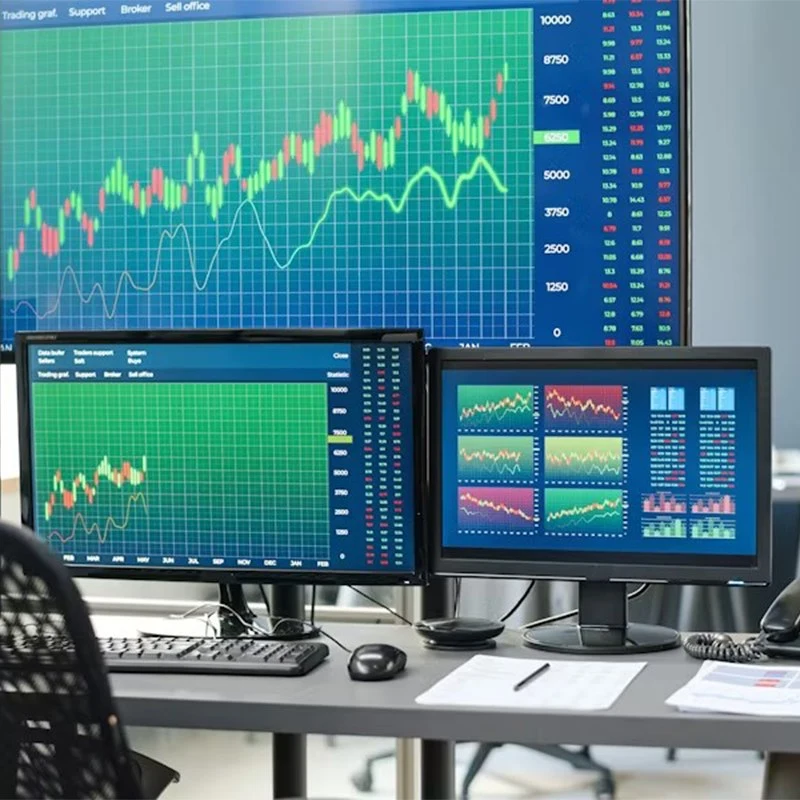
Isang LCD panel (Liquid Crystal Display) ay isang aparato ng flat-panel na gumagamit ng likidong kristal na materyal upang makontrol ang daanan ng ilaw. Ang mga LCD panel ay hindi bumubuo ng ilaw ang kanilang sarili ngunit umaasa sa isang backlight-karaniwang isang puting LED-upang mag-iilaw ng mga pixels .. Pagkatapos ay binabago ng mga filter ng kulay ang ilaw sa pula, berde, at asul na mga pixel, na lumilikha ng pangwakas na imahe.
Ang bawat subtype ay may natatanging mga katangian, na nakasalalay sa iyong aplikasyon.
Ang isang IPS panel ay isang advanced na uri ng LCD panel na may pahalang na nakahanay na mga likidong kristal na umiikot sa eroplano kaysa sa pagkiling nang patayo. Pinapayagan ng istrakturang ito:
Ginusto ang mga IPS panel sa mga application na nangangailangan ng color-kritikal na imaging, mga kapaligiran ng multi-user, interactive touch display, at mga propesyonal na sistema ng pagsubaybay.
| Tampokan | Standard LCD (TN / VA) | Panel ng IPS |
|---|---|---|
| Pagkakahiwalay ng Kristal | Vertical, nakakiling na may boltahe | Horizontal, umiikot sa eropa |
| Tumpak na Kulay | 70-80% sRGB | 95-100% sRGB |
| Konsumang Ratio | TN mababa, VA High, | Timbang, matatagan |
| Oras ng Tugong | TN 1-5ms, VA 5-8ms | 4–8ms |
| Paghawak ng paggalaw | Mabilis, maaaring maging sanhi ng pagkawala ng kulay | Mabangis, kulay-abo-to-grey malinaw... |
| Anggulo sa Pagtinging | 90°–120° | 178° |
| Pagkakaisa sa Kitan | Mga pagkakaiba-iba na may backlight. | Kahit |
| Pagkonsumo ng Lakasa | Mabababa | ~ 10-15% mas mataas |
| Epekto sa Kapaligiran | LED backlight, mai-recycled | Katulad, pagpapabuti ng optika |
| Halagat | Maaayos | Mas mataas |
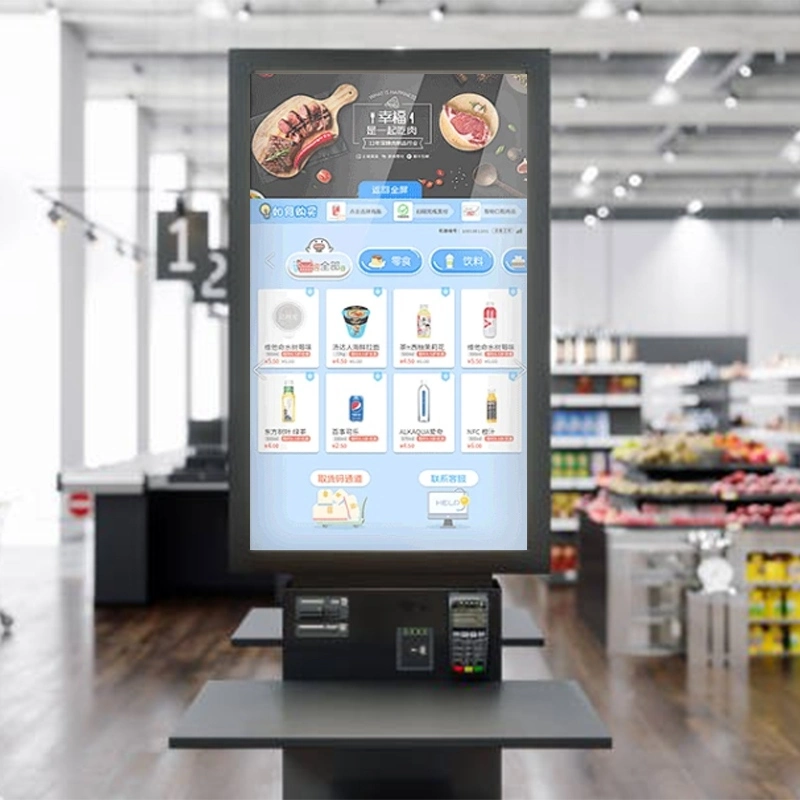
Nagbibigay ang Qtenboard ng komprehensibong mga solusyon sa panel ng LCD para sa mga negosyo at proyekto ng OEM:
Mahigit sa 500 mga panel ng LCD na ipinakalat sa mga shopping mall, na tinitiyak ang pagiging malinaw na makita mula sa maraming mga anggulo, nadagdagan ang pakikipag-ugnayan ng gumagamit, at mababang pagpapanatili.
Ang mga pabrika na dashboard na gumagamit ng mga IPS LCD panel na may katugma ng guwante at tulong ng AI na pinabuti ang kahusayan sa pagpapatakbo at nabawasan Mga pagkakamali ng tao.
Ipinatupad ng mga ospital ang mga IPS panel na may pare-parehong ningning at kawastuhan ng kulay, pinahusay ang medikal na imaging at katumpakan ng pamamaraan.
Ang pagpili ng tamang LCD panel ay nangangailangan ng pagbabalanse ng gastos, pagganap, at karanasan ng gumagamit. Ang mga panel ng TN / VA LCD ay angkop para sa mga aplikasyon ng sensitibo sa badyet o mabilis na paggalaw, habang ang mga IPS panel ay mahusay sa mga kulay-kritikal, multi-viewer, at interactive na mga kapaligiran.
Ang paghampas ng Qtenboard sa loob ng 10 taong karanasan sa pagmamanupaktura ng LCD panel, na nag-aalok ng tumpak, maaasahan, at mapasadya na mga solusyon na may opsyonal na pag-andar ng AI. Kung para sa pagsasama ng OEM, interactive kiosk, o pang-industriya na kontrol, Nagbibigay ang Qtenboard ng perpektong solusyon ng LCD panel na pinasadya sa bawat aplikasyon.
Click upang basahin ang mga detalye ng produkto at malaman ang tungkol sa mga tampok na pagganap at aktwal na pagganap.
📖Basahin ang Producto
 FIL
FIL
 EN
EN  MAY
MAY  TH
TH  CHT
CHT  ID
ID  BUR
BUR  HKM
HKM  LAO
LAO  SIN
SIN  VIE
VIE